

Bipv Solar Modules: Integrating Building-Integrated PV for Efficient Facades
You can turn parts of your building into electricity-producing surfaces without adding bulky racks or changing the look of the façade. BIPV solar modules replace conventional building materials—like roof tiles, curtain walls, or glazing—with photovoltaic elements that generate power while serving structural and aesthetic roles.
This post shows how BIPV works, where it fits best, and the practical benefits you can expect—energy generation, improved envelope performance, and cleaner aesthetics—so you can decide whether integrating solar into your building fabric makes sense for your project.
Understanding BIPV Solar Modules
BIPV modules replace or integrate with building elements to generate electricity while serving structural or aesthetic functions. They combine photovoltaic performance with construction requirements like weatherproofing, fire safety, and visual design.
What Are BIPV Solar Modules
BIPV (Building-Integrated Photovoltaic) solar modules are photovoltaic units designed to become part of a building’s envelope—façades, roofs, skylights, or windows—rather than being mounted on top of a structure. You get generation capacity and a building material in one product.
Manufacturers size and shape BIPV to match cladding systems, curtain walls, or roof tiles so installation aligns with your architectural intent. Modules may meet both electrical standards (IEC, UL) and construction codes for load, wind, and water tightness.
You should expect tradeoffs: BIPV often sacrifices some peak module efficiency for transparency, color, or form factor to meet design and regulatory needs.
Technology Overview
BIPV uses similar semiconductor cells as conventional PV—monocrystalline, polycrystalline, thin-film, or emerging perovskites—packaged differently for integration. Encapsulation materials, glass laminates, polymer backings, and tempered glazing adapt the cell stack to building loads, thermal expansion, and weathering.
Electrical interconnection and junction boxes follow PV practice, but mechanical attachment, flashing, and thermal breaks tie into the building envelope. You need coordinated detailing for waterproofing, firestopping, and thermal bridging.
Performance varies with orientation, shading, and thermal behavior; integrated modules often run hotter than rack-mounted systems, so thermal management and system-level design matter for long-term output.
Key Features
- Functionality: Acts as cladding, roof covering, window glazing, or shading device while producing electricity.
- Standards compliance: Must satisfy electrical safety (e.g., IEC/UL), structural capacity, fire classification, and wind/uplift criteria.
- Aesthetics: Available in custom colors, opacities, and formats (tiles, panels, fins) to match architectural intent.
- Performance considerations: Lower nominal efficiency may occur relative to optimized PV modules due to design tradeoffs and thermal effects.
- Durability: Laminates and sealants address moisture ingress, UV degradation, and mechanical loads; warranties often combine electrical and building-product clauses.
- Integration needs: Requires coordination with flashing, drainage, and building services to avoid leaks and thermal bridging.
Types of BIPV Solar Modules
- Integrated roof tiles and shingles: Form-fit tiles replace conventional roofing material and are sized to roofing layouts. They offer moderate efficiency and good weatherproofing when properly detailed.
- Curtain-wall and façade panels: Large-format glass or composite panels integrate PV cells behind laminated glass or within metal panels; these suit tall buildings and provide large-generation area.
- Semi-transparent and glazed modules: Use patterned cells or thin-film to permit light through for skylights and clerestories; trade visible transmittance for reduced power density.
- Building-applied PV (BAPV) hybrids: While not strictly BIPV, these systems visually integrate with the façade using custom frames and attachments when full replacement is impractical.
Each type requires different structural supports, electrical routing, and fire/egress considerations, so you should match the BIPV type to the building’s envelope, load paths, and regulatory constraints.
Applications and Benefits
BIPV replaces standard building elements with photovoltaic materials to generate on-site electricity, reduce energy bills, and preserve architectural intent. You gain installation flexibility, potential subsidy advantages, and aesthetic integration that conventional rooftop panels often cannot provide.
Residential Integration
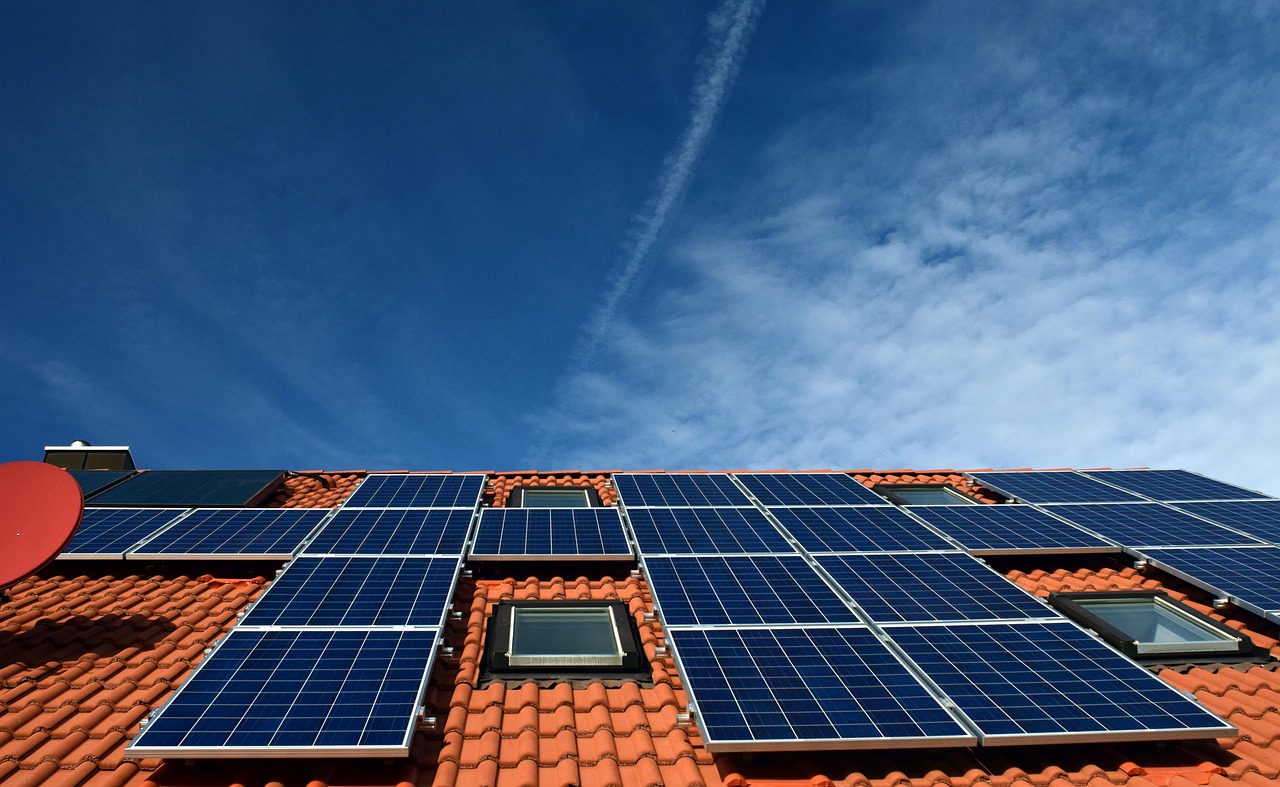
You can integrate BIPV into roof tiles, skylights, and curtain walls to preserve a home’s visual design while producing electricity. For steep roofs, BIPV roof tiles or standing-seam façade panels match rooflines and eliminate the need for separate racking.
BIPV windows and semi-transparent modules work well for sunrooms and south-facing glazing where you want daylight plus power. Expect lower peak cooling loads when using shaded glazing with integrated PV, which reduces HVAC runtime on sunny days.
Installation often increases upfront cost versus standard panels, but you save on materials (roofing, cladding) and may qualify for local incentives or higher property value. Check local building codes and fire-safety requirements; your installer should coordinate electrical, weatherproofing, and load-bearing design.
Commercial and Industrial Use
You can use BIPV on large façades, atria, canopies, and warehouse roofs to offset significant daytime energy demand. In warehouses and manufacturing plants, BIPV on south-facing curtain walls or rooflights generates on-site power that directly reduces demand charges.
Commercial projects benefit from integrated shading and daylight control—BIPV louvers and façades cut glare while supplying electricity to HVAC and lighting systems. Developers often capture higher ROI in energy-intensive buildings because on-site generation reduces grid purchases and can interact with building energy management systems.
Large installations require early coordination between architects, structural engineers, and electrical designers to address fire egress, maintenance access, and module replacement strategies.
Environmental Advantages
You reduce greenhouse gas emissions by generating renewable electricity on the building envelope, lowering grid-supplied fossil-fuel consumption. BIPV replaces conventional cladding materials, which cuts the embodied emissions associated with separate roofing or façade products.
Using BIPV can improve building energy performance metrics—net-zero or near-net-zero targets become more accessible when you combine integrated generation with efficiency measures. Recyclability and life-cycle impacts vary by module type; crystalline silicon modules offer higher efficiency, while thin-film options provide design flexibility with different material footprints.
Evaluate whole-life impacts, maintenance needs, and end-of-life plans to ensure your BIPV choice delivers real environmental benefits over the building’s lifetime.