



Building Integrated Photovoltaic Panels
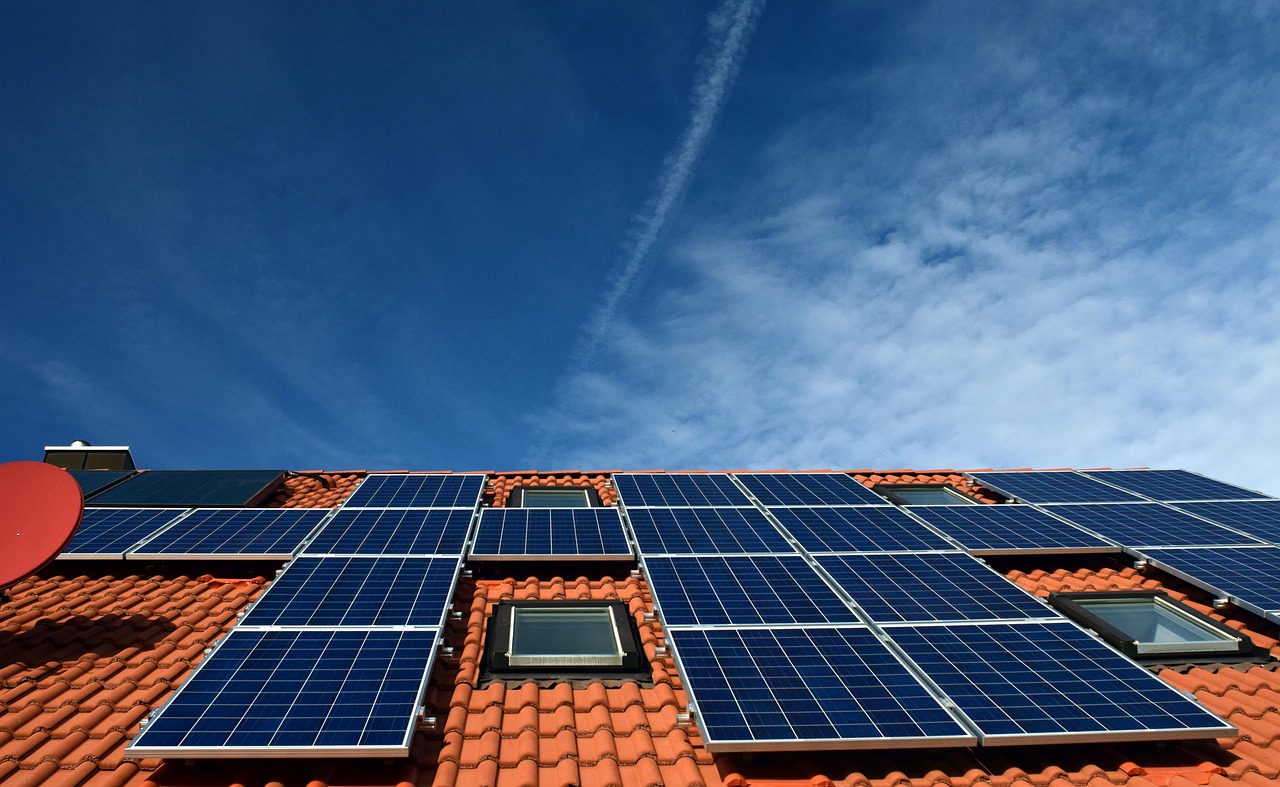
Imagine your building not just sheltering occupants but quietly producing electricity through elements that already belong to its skin. Building-integrated photovoltaic panels weave solar cells into roofs, façades, and windows so your structure generates power without adding bulky arrays. BIPV turns parts of your building into working materials that cut energy bills and streamline design by combining function with form.
In post Building Integrated Photovoltaic Panels You’ll explore how BIPV differs from rooftop-mounted systems, where it fits best, and what benefits to expect—like aesthetic integration, space-saving installation, and potential energy savings. Keep reading to see where BIPV makes the most sense for your project and what trade-offs to weigh.
Overview of Building Integrated Photovoltaic Panels
BIPV systems replace or become part of building elements and deliver electricity while serving structural or aesthetic functions. You will find variations in form, materials, and application that affect integration complexity, cost, and on-site generation.
Definition and Key Features
Building-integrated photovoltaics (BIPV) are photovoltaic materials that act as both the building envelope and an electricity source. You install them as façades, roof coverings, skylights, or glazed façades instead of conventional cladding or roofing materials.
Key features include:
- Dual function: structural/weather barrier plus power generation.
- Seamless aesthetics: panels match roofing tiles, curtain walls, or translucent glazing.
- Site-specific design: electrical output depends on orientation, tilt, shading, and local climate.
- Codes and standards: must meet building codes for fire, wind, and thermal performance.
You should expect higher upfront design coordination than rack-mounted arrays because BIPV components must interface with building systems (waterproofing, thermal insulation, and structural support).
Types of BIPV Technologies
BIPV technologies vary by appearance, transparency, and efficiency. Choose based on where you plan to integrate them (roof, façade, or window) and the performance trade-offs you accept.
Common types:
- Crystalline silicon modules: opaque, high efficiency, used for roofs and solid façades.
- Thin-film modules (CIGS, CdTe): lighter, flexible options that can be semi-flexible or conformal.
- Semi-transparent PV: employs thin-film or perovskite layers for skylights and glazing with visible light transmission.
- Bifacial modules: capture reflected light from building surfaces and increase yield when mounted over reflective substrates.
- Solar tiles and shingles: mimic traditional roofing materials for retrofits or new builds.
Each technology differs in weight, thermal behavior, lifespan, and cost. You must coordinate selection with architects and structural engineers to ensure compatibility with load-bearing and fire-safety requirements.
Energy Generation and Efficiency
Energy output from BIPV depends on module type, installation geometry, and building context. You can model expected generation with PV simulation tools using site-specific irradiance, temperature, and shading inputs.
Factors affecting performance:
- Orientation and tilt: façades tilted away from optimal sun angles produce less energy than properly pitched roofs.
- Shading: nearby buildings, trees, and architectural features significantly reduce output.
- Module efficiency: crystalline silicon often yields the highest watt-per-square-meter; thin-film and semi-transparent options trade lower efficiency for aesthetics or optical transmission.
- Thermal coupling: integrated panels can run hotter than rack-mounted arrays, lowering efficiency unless ventilation or thermal breaks are included.
Consider system-level effects: inverter selection, DC wiring layout, and building energy demand profiles influence how much of the generated electricity you can use on-site and the payback timeline.
Applications and Benefits of Building Integrated Photovoltaic Panels
BIPV systems replace conventional building elements with electricity-generating materials, delivering direct power, daylight control, and weather protection while contributing to aesthetic goals and regulatory compliance.
Architectural Integration and Design Flexibility
You can integrate BIPV into roofs, façades, skylights, canopies, and glazed curtain walls to maintain or enhance a building’s envelope function.
Manufacturers offer options such as thin‑film modules, semi‑transparent glass, and colored or patterned modules that match cladding, reducing the need for added mounting hardware.
Designers use BIPV to preserve sightlines and meet historic or urban design requirements because modules can be flush-mounted or shaped to specific dimensions.
You should plan for electrical routing, ventilation behind modules, and access for maintenance early in the design phase to avoid costly retrofits.
Performance trade-offs matter: semi‑transparent or aesthetic finishes lower peak efficiency compared with standard rooftop panels.
Balance energy goals, daylighting needs, and thermal performance when specifying module type and orientation.
Environmental Impact and Sustainability
BIPV reduces embodied and operational impacts by replacing separate building materials and generating on‑site electricity, cutting grid purchases and associated emissions.
You will lower transportation and installation material use compared with separately mounted PV plus conventional cladding.
Using BIPV can contribute points for green building certifications (LEED, BREEAM) through energy generation, materials reduction, and improved thermal performance.
Specify durable materials and recycling strategies to minimize end‑of‑life impacts because some PV components require specialized recycling.
Site‑specific performance reduces transmission losses and supports local decarbonization targets.
Quantify annual kWh output and avoided CO2 (based on your grid emission factor) to evaluate environmental benefit accurately.
Cost Considerations and Incentives
Upfront costs for BIPV typically exceed conventional PV plus standard building materials because modules must meet structural, fire, and aesthetic requirements.
You should compare lifecycle costs, factoring savings from avoided cladding/curtain wall materials and reduced labor for separate installations.
Calculate payback using installed cost per watt, expected annual generation, maintenance, and local electricity rates.
Incentives such as tax credits, feed‑in tariffs, net metering, and local grants can materially improve economics—check current federal and municipal programs for eligibility.
Account for non‑energy financial benefits: increased property value, improved envelope performance reducing HVAC loads, and potential expedited permitting in some jurisdictions.
Plan for warranty alignment between building envelope systems and PV modules to avoid gaps that could create unexpected costs.