
Prefab Homes: Modern, Affordable, and Energy-Efficient Design Solutions
You can cut months from a traditional build and still get a high-quality, energy-efficient home that matches your style. Prefab homes use factory-built modules or panels to speed construction, reduce waste, and give you more predictable costs and timelines than stick‑built projects.
This post explains what prefab home actually means, how modern modular and panelized systems differ, and which trends—like customizable floor plans, improved energy performance, and faster on‑site assembly—matter most when you choose a home.
Expect practical comparisons, cost and timeline realities, and the trade-offs that help you decide whether a prefab approach fits your budget, site, and design priorities.
What Are Prefab Homes?
Prefab homes are houses built from factory-made components that arrive on-site for assembly. You’ll find choices in how they’re manufactured, clear benefits in speed and cost control, and key differences from stick-built homes in construction process and financing.
Types of Prefab Homes
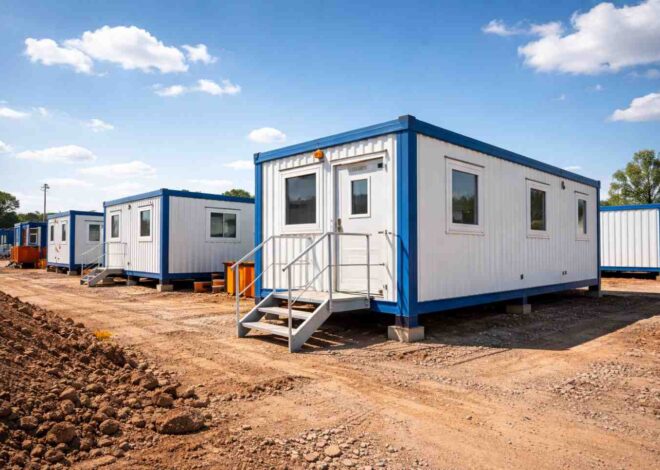
Prefab homes fall into three main categories: modular, panelized, and manufactured/mobile. Modular homes arrive as complete three-dimensional sections (modules) that a crane sets on a foundation; they can look and perform like traditional homes and often meet the same local building codes. Panelized homes come as flat wall, floor, and roof panels that your contractor assembles on-site; they give more on-site flexibility and suit custom designs. Manufactured or mobile homes are built to a federal HUD code, transported on their chassis, and typically placed on leased or owned land.
You should weigh site access, permit rules, and transport limits when choosing a type. Modular suits tighter schedules and higher finish quality. Panelized fits unusual lot shapes or phased builds. Manufactured homes usually cost less but may have financing and resale differences.
Key Benefits of Prefabricated Construction
Prefab construction reduces build time because factories work simultaneously on components while site prep proceeds. That parallel workflow often cuts total schedule by weeks or months compared with full on-site builds.
Factory assembly controls quality: measured environments reduce weather delays, material waste, and on-site errors. You get tighter tolerances and consistent finishes, which can improve energy performance and lower long-term maintenance.
Cost predictability improves because manufacturers offer fixed packages and fewer unexpected on-site changes. You can also choose higher-efficiency systems—better insulation, sealed envelopes, and preinstalled HVAC—that reduce operating costs. Finally, prefab methods often produce less construction waste and can use recycled or sustainably sourced materials.
How Prefab Homes Differ from Traditional Buildings
Traditional stick-built homes are constructed entirely on-site, piece by piece, which makes schedules more vulnerable to weather, labor availability, and material delays. Prefab shifts much of the labor to a controlled factory setting, reducing those risks.
In terms of codes and financing, modular homes typically comply with local building codes like site-built homes, while manufactured homes follow HUD standards—this affects mortgage options and insurance. Permitting for panelized systems still requires on-site inspections, but fewer trade visits can speed approvals.
Logistics differ as well: prefab units require transport and on-site craning or assembly, so road access, load limits, and crane placement matter. You must plan site preparation, foundation type, and utility hookups before modules arrive to avoid costly hold-ups.
Modern Trends and Considerations for Prefab Homes
You’ll find wide design flexibility, growing sustainability standards, and clearer cost/financing pathways when evaluating prefab homes. These trends affect build time, long-term running costs, and how much personalization you can expect.
Design Options and Customization
Prefab today ranges from fully modular single-room modules to large panelized systems that assemble on-site in days. You can choose factory-standard floorplans or work with manufacturers that offer staged customization—moving walls, upgraded kitchens, and integrated HVAC packages.
Custom exterior finishes commonly include fiber-cement, metal cladding, and engineered wood; roof options often include low-slope membranes or asphalt shingles with solar-ready mounts.
If you prioritize interior finishes, ask about factory upgrade tiers (appliances, cabinetry, trim) and measured lead times. Many firms use BIM or 3D models so you can preview layouts and lighting before production.
Pay attention to transport limits (module width/height) because they constrain window placement and ceiling heights. Your chosen site’s access and local zoning rules will also shape the final design.
Sustainability in Prefab Housing
Prefab construction reduces site waste and improves material efficiency through repeatable factory processes. You can specify high-performance envelope assemblies—continuous insulation, triple-glazed windows, and airtightness targets—that are easier to verify in a controlled build environment.
Look for certifications and measurable metrics: Passive House, ENERGY STAR, or Home Energy Rating System (HERS) scores clarify expected performance. Consider embodied-carbon choices such as cross-laminated timber or recycled steel versus conventional framing.
On-site energy options include integrated photovoltaic systems, battery storage, and heat-pump HVAC; prefab packages sometimes offer “plug-and-play” renewable kits pre-wired in the factory.
Also evaluate lifecycle maintenance: factory-applied finishes and pre-sealed assemblies often lower long-term maintenance needs compared with field-built homes.
Cost Factors and Financing
Prefab can cut construction time by 30–60%, which reduces labor and interim financing costs, but price drivers vary widely. Major cost components include manufacturing complexity, transportation distance, crane and foundation requirements, and finish level.
Fixed-price factory builds help you lock in material costs, while custom features or remote sites typically add premiums. Ask builders for a clear line-item quote: module cost, sitework, foundations, utilities hookup, permits, and contingency.
Financing options include traditional mortgages (for permanently sited homes), construction-to-permanent loans, and specialized lenders familiar with modular valuations. Lenders will want engineered plans, anchor/foundation details, and manufacturer warranties.
Compare total project financing scenarios rather than just per-square-foot base prices to understand true cash flow, timeline risks, and lender conditions.