


The Complete 2026 Guide to Custom Flexible Packaging for Growing Brands
In the evolving world of modern business, packaging has become far more than a simple layer of protection. It is now a powerful tool that influences customer decisions, builds brand identity, and drives long-term growth. One of the most effective solutions that businesses are adopting today is custom flexible packaging.
From small startups to established brands, companies are shifting toward custom flexible packaging because it offers a unique balance of cost efficiency, product safety, and design flexibility. In a market where consumers are constantly exposed to multiple options, packaging plays a critical role in grabbing attention and creating a memorable experience.
The demand for custom flexible packaging continues to grow as businesses realize its potential to reduce costs, improve logistics, and enhance product presentation. Whether it’s food, cosmetics, retail goods, or e-commerce products, flexible packaging provides a modern solution that meets both business and consumer needs.
This comprehensive guide explores everything you need to know about custom flexible packaging, including its benefits, types, design strategies, real-world applications, and future trends that will shape the packaging industry in the coming years.
Understanding Custom Flexible Packaging in Depth
What is Custom Flexible Packaging
Custom flexible packaging refers to packaging made from materials such as plastic films, foil, and paper laminates that can bend, fold, and adapt to the shape of the product. Unlike rigid packaging like glass jars or boxes, flexible packaging is lightweight and highly adaptable.
The flexibility of this packaging allows businesses to use less material while still maintaining strong product protection. This not only reduces costs but also improves efficiency across storage and transportation processes.
Why Businesses Prefer Custom Flexible Packaging
One of the main reasons businesses choose custom flexible packaging is its versatility. It can be tailored to fit different product types, sizes, and branding needs.
Customization allows businesses to print logos, product details, and creative designs directly onto the packaging. This transforms packaging into a marketing tool that communicates brand identity effectively.
The Shift from Traditional to Flexible Packaging
Traditional packaging methods often involve bulky materials that increase shipping and storage costs. In contrast, custom flexible packaging offers a more efficient solution by reducing weight and space usage.
This shift is driven by the need for better cost management, sustainability, and improved customer experience.
Key Benefits of Custom Flexible Packaging
Cost Reduction and Operational Efficiency
One of the biggest advantages of custom flexible packaging is cost savings. Since it uses less material, production costs are lower compared to rigid packaging.
Additionally, its lightweight nature reduces shipping expenses. Businesses can transport more units in a single shipment, improving logistics efficiency and reducing overall operational costs.
Enhanced Product Protection
Despite being lightweight, custom flexible packaging offers excellent protection. Multi-layer materials provide barriers against moisture, oxygen, and light.
This ensures that products remain fresh and safe during storage and transportation, especially in industries such as food and healthcare.
Strong Branding Opportunities
Packaging is often the first interaction customers have with a product. With custom flexible packaging, businesses can create visually appealing designs that capture attention instantly.
High-quality printing and modern layouts make products stand out, helping brands build recognition and trust among customers.
Sustainability and Environmental Benefits
Sustainability is becoming increasingly important for consumers. Many companies are adopting custom flexible packaging because it reduces material usage and supports eco-friendly practices.
Recyclable and biodegradable materials allow businesses to minimize their environmental impact while meeting customer expectations.
Types of Custom Flexible Packaging Used Across Industries
Stand-Up Pouches
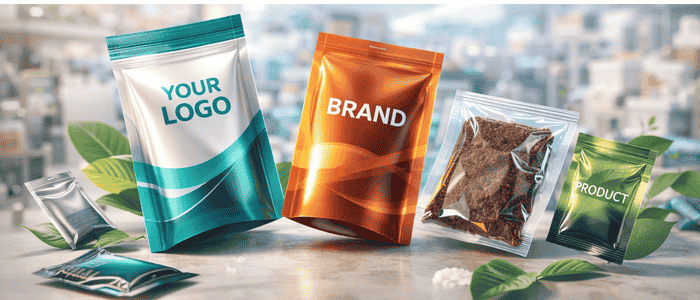
Stand-up pouches are one of the most popular forms of custom flexible packaging. They are widely used for snacks, coffee, and retail products due to their convenience and visual appeal.
Resealable Bags
Resealable packaging improves usability by allowing customers to open and close the package multiple times. This type of custom flexible packaging helps maintain product freshness and convenience.
Sachets and Single-Use Packaging
Sachets are small, lightweight packages designed for single use. They are commonly used for samples, sauces, and travel-sized products.
Vacuum Packaging
Vacuum packaging removes air from the package, extending shelf life and preserving product quality. This method is widely used in food and medical industries.
Designing Effective Custom Flexible Packaging
Understanding Customer Preferences
Successful custom flexible packaging starts with understanding your target audience. Different customers have different expectations, and packaging should align with those preferences.
Creating a Strong Visual Identity
Your packaging design should reflect your brand identity. Colors, fonts, and graphics should be consistent and visually appealing.
Choosing the Right Materials
Material selection is critical for performance. Products that are sensitive to moisture or air require high-barrier materials.
In many real-world cases, businesses rely on expert support, and right in the middle of their packaging journey, companies like Attapack help brands select the most suitable materials and designs for custom flexible packaging without unnecessary costs.
Enhancing User Experience
Packaging should be easy to use. Features like zip locks, tear notches, and ergonomic designs improve convenience and customer satisfaction.
Common Mistakes to Avoid in Custom Flexible Packaging
Many businesses fail to fully benefit from custom flexible packaging due to avoidable mistakes.
One common issue is selecting low-quality materials that compromise product safety. Another mistake is poor design, which makes products look unprofessional and less appealing.
Ignoring sustainability is also a major mistake, as modern consumers prefer eco-friendly solutions. Avoiding these issues ensures that your packaging performs effectively.
Real-World Applications of Custom Flexible Packaging
Food and Beverage Industry
Food brands use custom flexible packaging to maintain freshness and improve shelf appeal. Resealable pouches and vacuum packaging are commonly used.
E-Commerce Businesses
Online businesses benefit from lightweight packaging that reduces shipping costs and minimizes damage during delivery.
Cosmetics and Personal Care
Cosmetic brands use flexible packaging to create stylish designs that attract customers and enhance brand image.
Future Trends in Custom Flexible Packaging
The future of custom flexible packaging is driven by innovation and sustainability.
New materials are being developed to reduce environmental impact while maintaining durability. Smart packaging technologies, such as QR codes and tracking systems, are becoming more popular.
Customization will continue to evolve, allowing brands to create more personalized packaging experiences. Businesses that adopt these trends early will gain a strong competitive advantage.
How Custom Flexible Packaging Drives Business Growth
Custom flexible packaging plays a significant role in business growth by improving efficiency, reducing costs, and enhancing brand visibility.
It allows businesses to optimize logistics, reduce waste, and create a better customer experience. As competition increases, companies that invest in innovative packaging solutions will be better positioned for success.
Conclusion
Custom flexible packaging has become an essential solution for modern businesses looking to improve product presentation, reduce costs, and enhance customer satisfaction. Its flexibility, efficiency, and sustainability make it a preferred choice across various industries.
By adopting high-quality custom flexible packaging, businesses can create a strong market presence, build customer trust, and stay ahead of competitors. As the packaging industry continues to evolve, companies that embrace innovation and focus on customer experience will achieve long-term success.