

Bathroom Renovation Etobicoke: Expert Guide to Modern Upgrades and Accurate Cost Estimates
You can transform your Etobicoke bathroom into a functional, stylish space that adds comfort and value to your home while staying within a realistic budget. Local contractors offer full-service renovations—from layout and plumbing upgrades to accessible solutions and luxury finishes—so you can get a complete, professionally managed project without surprises.
This post Bathroom Renovation Etobicoke walks you through what a comprehensive bathroom renovation in Etobicoke looks like, highlights current design trends and customization options, and helps you make confident choices about scope, timeline, and costs. Expect practical tips on selecting materials, working with contractors, and prioritizing upgrades that matter most to your lifestyle and resale value.
Comprehensive Bathroom Renovation in Etobicoke
You’ll find clear steps for planning scope, selecting durable materials suited for Ontario climates, and hiring licensed contractors who follow Toronto/Etobicoke regulations. Focus on realistic budgets, waterproofing, and trade coordination to avoid delays and hidden costs.
Planning Your Project
Start by setting goals: define whether you’re doing a cosmetic refresh, a full gut, or accessibility upgrades. List must-haves (e.g., walk-in shower, heated floors, ventilation upgrade) and nice-to-haves to guide budgeting.
Measure the space and create a simple layout plan showing fixture locations, clearances, and plumbing risers. Request plumbing and electrical drawings if you change fixture positions—moving drains up to 6–8 inches is cheaper than full relocations.
Create a phased timeline with milestones: demolition, rough-ins, inspections, tiling, fixtures, and final finishes. Build a 10–20% contingency for unforeseen issues like water damage or asbestos. Obtain required permits from the City of Toronto when altering plumbing or structural elements.
Choosing Quality Materials
Pick materials rated for high humidity and freeze-thaw conditions. Porcelain tile and engineered stone resist moisture and staining better than natural stone without sealing. For grout and adhesives, choose polymer-modified products and 100% silicone sealant at joints.
Opt for low-maintenance fixtures: a frameless glass shower with proper drainage slope, a tankless or high-efficiency toilet, and a vanities with moisture-resistant MDF or solid plywood. Prioritize mechanical components—brass valves, stainless fasteners, and a quality exhaust fan sized for your room (CFM = room volume/7).
Request samples for color and texture checks under your lighting. Keep warranties and maintenance requirements in writing. Balance initial cost against lifecycle cost—spending more on waterproofing and plumbing reduces long-term repair risk.
Working With Licensed Contractors
Hire contractors licensed for Ontario trades and ask for WSIB clearance to protect against workplace injury liabilities. Verify business address, recent project photos, and at least three local references you can contact.
Get detailed written estimates that break out labor, materials, permits, disposal, and change-order rates. Use a staged payment schedule tied to milestones; avoid large up-front lump sums. Confirm who coordinates inspections and provides as-built documentation.
Confirm subcontractor credentials for plumbing, electrical, and structural work. Require written warranties covering workmanship and manufacturer warranties for fixtures. Keep a single point of contact and regular progress updates to reduce misunderstandings and keep the project on schedule.
Modern Design Trends and Customization
Expect practical upgrades that improve daily use and reduce long-term costs. Focus on tech that saves water and time, materials that last in humid conditions, and storage that fits your habits and space.
Incorporating Smart Technology
You can add smart fixtures that streamline routines and cut utility bills. Install a touchless faucet with temperature memory to reduce water waste and avoid constant knob adjustments. Choose a smart shower valve that presets flow and temperature for each user, and pair it with a digital controller mounted at elbow height for easy access.
Consider a connected ventilation fan with humidity sensors so the fan runs only when needed, preventing mold and lowering electricity use. Integrate smart mirrors with anti-fog and built-in LED lighting, plus Bluetooth for hands-free calls or music. If you want whole-bath automation, route lighting, underfloor heating, and shower presets through a single app or voice assistant, but keep manual overrides for reliability.
Eco-Friendly Solutions
Select low-flow fixtures and dual-flush toilets to cut water use by 20–60% without sacrificing performance. Specify ceramic or porcelain tiles rated for low porosity and high durability to resist moisture and reduce maintenance needs. Choose reclaimed or responsibly sourced wood for vanities and shelving; seal it with a water-resistant finish.
Use low-VOC paints and adhesives to maintain healthier indoor air during and after the renovation. For heating, install electric radiant floor systems with programmable thermostats or a hot-water system connected to a high-efficiency boiler. Add LED lighting and daylight-optimizing fixtures to lower energy use and improve task lighting where you shave and groom.
Personalized Storage and Layout Options
Base storage on how you use the space, not generic models. If you store skincare and daily grooming items, plan drawer organizers with labeled compartments and shallow top drawers for easy access. For families, add deep pull-out drawers for towels and a tall linen cabinet with adjustable shelves to accommodate different-sized items.
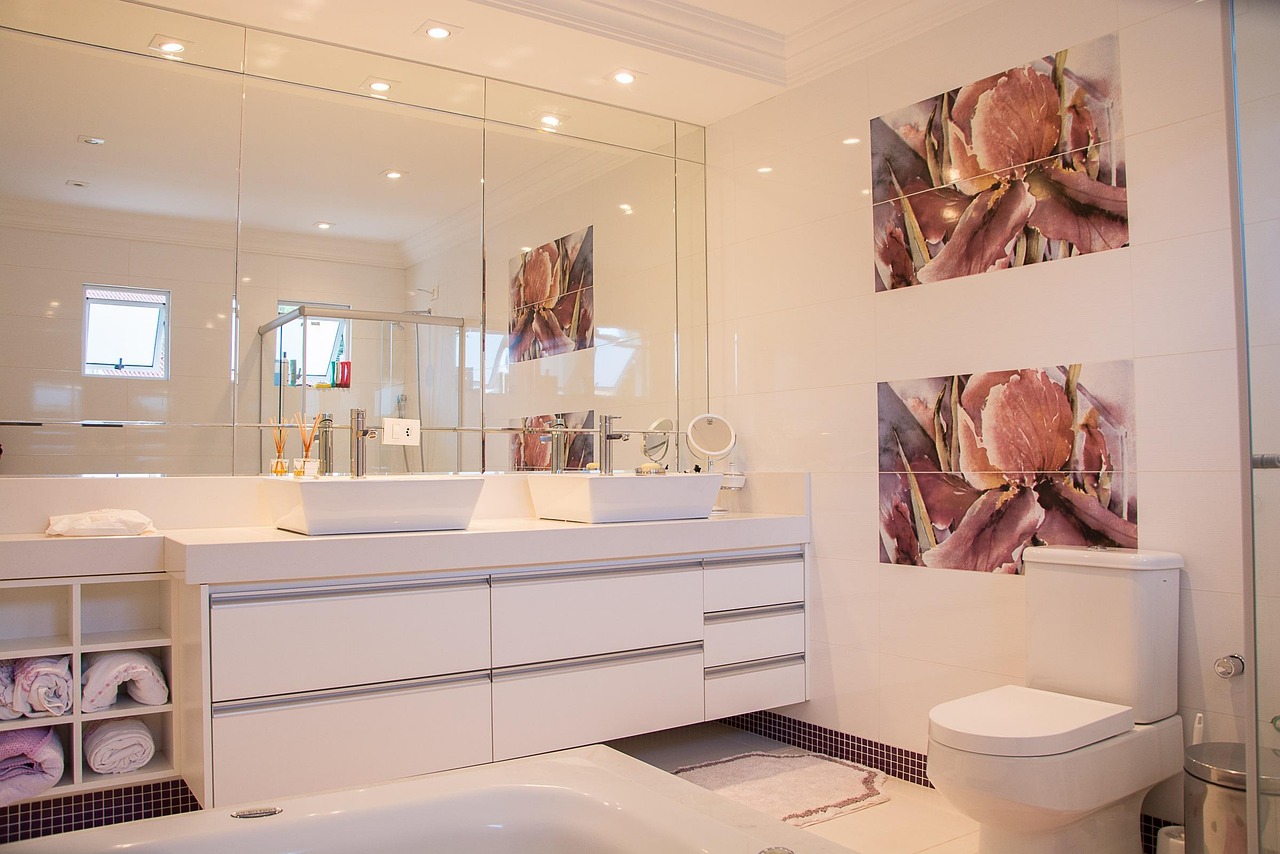
Optimize layout by placing the vanity near the bathroom entrance and the shower farther in to keep splashes contained. Consider a floating vanity to expose floor space for baskets or warming units. When space is tight, use recessed medicine cabinets and in-wall niches in the shower for shampoo and soap; these keep surfaces clear and simplify cleaning.