


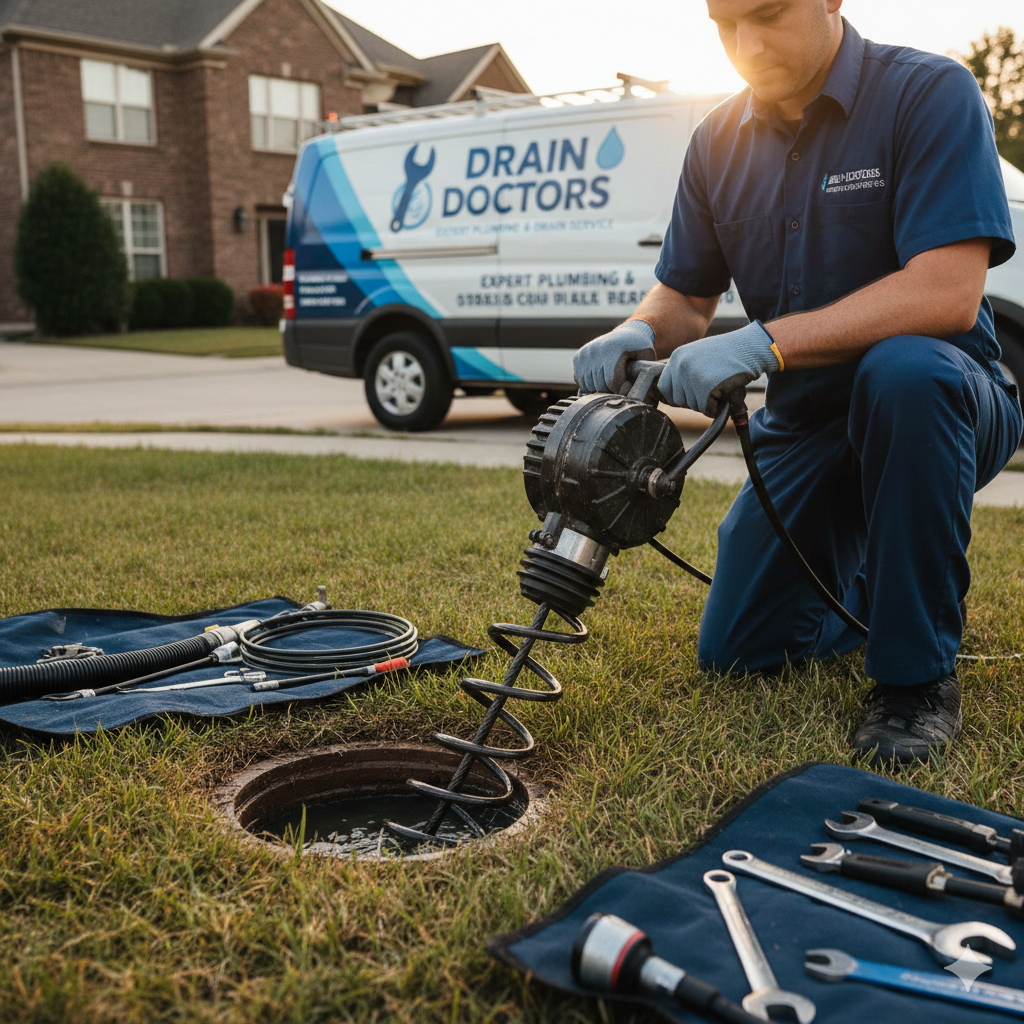
Drain Cleaning: Expert Techniques and Preventive Maintenance
Clogged or slow drains disrupt your day and can lead to bigger plumbing problems if you ignore them. You can clear most common clogs yourself with the right tools and techniques, and know when to call a pro to avoid costly damage.
This post drain cleaning breaks down how drains get blocked, safe and effective ways to clear them, and when professional drain cleaning—like snaking, hydro-jetting, or camera inspection—makes sense. Expect practical tips you can use now to keep water flowing and prevent repeat clogs.
Follow along to learn simple DIY fixes, preventive habits that save time and money, and clear signs that it’s time to hire an expert so you don’t gamble with your plumbing.
Understanding Drain Cleaning
You need to know what drain clean does, why clogs form, and which signs mean you should act now. These points affect how you choose tools, when to call a pro, and how to prevent recurring problems.
What Is Drain Cleaning?
Drain cleaning removes material that restricts water flow inside pipes and sewer lines. It ranges from simple mechanical actions—using a plunger or hand auger—to professional methods like powered drain snakes and hydro jetting that blast away grease, scale, and roots.
You’ll see two aims: immediate clearing of a blockage and longer-term removal of buildup that causes recurring slow drains. Chemical cleaners dissolve some organic matter but can damage older pipes and harm septic systems, so use them sparingly.
Choose the method based on pipe material, access, and the clog’s nature. For hair and soap scum in bathroom drains, a cable auger often works. For sewer mains with grease or roots, hydro jetting or camera inspection plus mechanical cutting gives a safer, more complete result.
Common Causes of Drain Clogs
Hair, grease, and food are the top offenders in household drains. In kitchens, pouring fat or scraping plates into the sink lets grease solidify and trap food particles against pipe walls.
Bathroom drains collect hair and soap scum that form dense mats. Toothpaste, cotton swabs, and sanitary products also cause localized blockages. In older homes, mineral scale and sediment narrow pipes over time, reducing flow and increasing the chance that small debris will cause a full clog.
Outdoor and main sewer clogs often result from tree roots exploiting joints, plus accumulated flushable wipes and heavy debris. Incorrect piping slopes and collapsed sections also create collection points for solids.
Warning Signs of a Clogged Drain
Slow drainage during routine use signals partial blockage; sinks that take noticeably longer to empty need inspection. Gurgling noises from traps or toilets indicate trapped air moving past a blockage.
Water backing up into other fixtures—like a shower when a washing machine drains—means the clog sits in a shared branch or main line. Foul odors coming from drains point to trapped organic material decomposing in a trap or pipe section.
Repeated clogs in the same drain, sewer backups, or sewage odors in your yard require immediate professional attention to prevent health hazards and structural damage.
Effective Drain Cleaning Solutions
You’ll learn practical ways to clear clogs, when to call a pro, and simple habits that stop blockages before they start. Each method below lists tools, steps, and risks so you can pick the right approach for your drain.
DIY Drain Cleaning Methods
Start with a plunger for sinks or tubs—use a flat-bottom cup and seal the overflow if present. Create pressure with 10–15 firm pumps, then pull up sharply; repeat until water drains.
Try a drain snake (manual auger) for hair and small obstructions. Feed 6–25 ft of cable into the pipe, twist to snag debris, then withdraw slowly. Wear gloves and catch the mess on paper towels.
Use enzyme cleaners for organic buildup: follow label dosage and run hot water for 5 minutes after treatment. Avoid mixing chemical cleaners; do not use acid-based products in older or PVC pipes as they can corrode fittings.
Home remedies: pour 1/2 cup baking soda followed by 1/2 cup white vinegar, wait 15–30 minutes, then flush with boiling water. This works best on mild slow drains, not on standing-water blockages.
Professional Drain Cleaning Services
Call a licensed plumber when clogs resist DIY efforts, you smell sewage, or multiple drains back up simultaneously. These signs often indicate deeper issues in the main sewer line or collapsed pipe sections.
Expect professionals to use motorized snakes, hydro-jetting, and video inspection. Hydro-jetting clears scale and grease with high-pressure water (1,500–4,000 psi); it restores near-new flow but can damage fragile pipes.
Video camera inspection pinpoints blockages, root intrusion, and pipe defects without guesswork. Ask for a written diagnosis, images, and recommended repairs before authorizing major work.
Get multiple quotes for large jobs and check for insurance, license, and positive local reviews. Request a written warranty on service and parts when available.
Preventive Maintenance Tips
Install hair catchers in showers and strainers in sinks to block common debris at the source. Empty these traps weekly to prevent gradual buildup.
Flush kitchen drains weekly with hot water and a small dish soap to dissolve grease before it cools and clings to pipe walls. Avoid pouring cooking oil or coffee grounds down the drain.
Schedule annual professional inspections for older homes or if you have frequent slow drains. Preventive hydro-jetting or enzymatic treatments can reduce future clogs and costly emergency repairs.
Keep a basic maintenance kit: plunger, manual drain snake, plumber’s tape, and enzyme cleaner. Knowing when to DIY and when to call a pro saves time and protects your plumbing.
