


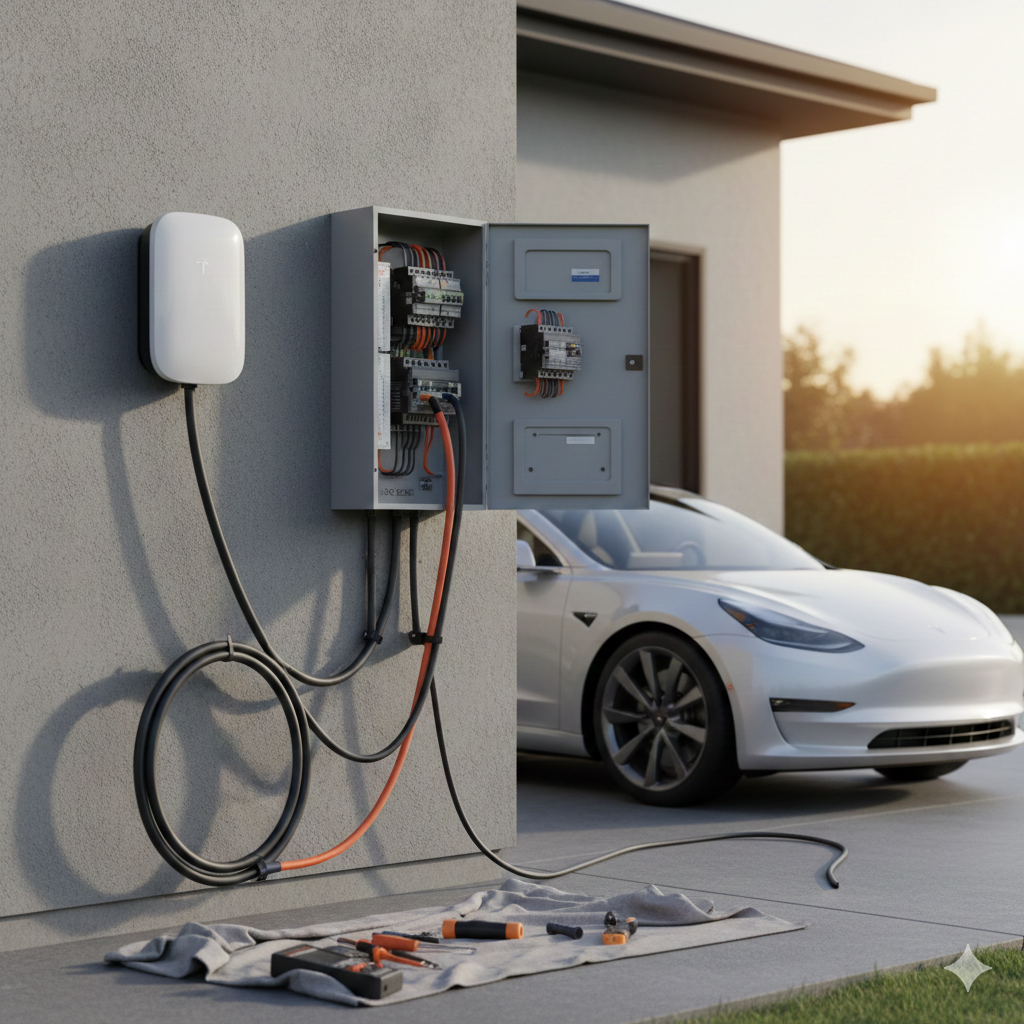
Electric Panel Replacement Near Me: Expert Service, Fast Installation, Reliable Safety
If your home struggles with flickering lights, frequent tripped breakers, or you rely on extension cords, upgrading the electric panel near you can stop those problems and protect your property. You can find licensed local electricians who inspect your system, recommend the right replacement or upgrade (often to 200A or 400A), and handle permits and safe installation.
This article Electric Panel Replacement Near Me walks through what replacement services cover, local factors that affect cost and timing, and how to choose a certified installer so you get a reliable, code-compliant result. Expect practical steps and clear criteria to help you decide whether to repair, upgrade, or replace your panel.
Electric Panel Replacement Services
You will learn how to identify a failing panel, the common panel types, what a replacement involves, and how to pick a qualified contractor. The guidance covers safety signs, expected steps, and decision factors you should use when getting quotes.
Signs You Need an Electric Panel Replacement
Watch for frequent breaker trips, flickering lights, burning smells, or scorch marks around the panel; any of these indicate overheating or loose connections that can create fire risk. If your home still uses fuses, a Federal Pacific, Zinsco, or other recalled panel, plan replacement promptly—these models are known to fail to trip during overloads.
If you add major appliances (EV charger, heat pump, range) and your panel is 60A or 100A, you likely need a service upgrade to 200A for safe, code-compliant power distribution. Older panels with rust, water damage, or missing knockout seals also warrant replacement rather than repair.
Types of Electrical Panels
Main types: circuit breaker panels (standard today), fused panels (older homes), and subpanels (secondary distribution). Circuit breaker panels use switchable breakers sized by amperage; modern options include combination Arc-Fault (AFCI) and Ground-Fault (GFCI) protection built into breakers.
Service entrance ratings: common residential sizes are 100A, 150A, and 200A; choose based on load calculations and planned future use. Panels differ by manufacturer compatibility, bus bar ratings, and available breaker slots—confirm breaker brand/type listed on the panel label when planning replacement or expansion.
Step-by-Step Replacement Process
A licensed electrician will first perform a load calculation, inspect meter and service conductor condition, and secure any permits required by your local authority. They will schedule a power shutdown, notify you of downtime, and post safety signage.
During work the electrician removes old breakers and the enclosure, mounts the new panel, installs appropriately rated breakers (AFCI/GFCI where code requires), labels circuits, and connects the service conductors. Final steps include grounding/ bonding verification, circuit testing with meters and load tests, and an inspection by the electrical inspector if your jurisdiction requires it.
Choosing the Right Service Provider
Hire a licensed, insured electrician with local experience and positive references. Verify license number, ask for proof of general liability and worker’s comp insurance, and confirm they pull permits and coordinate inspections when needed.
Request written estimates that list panel brand, amperage, breaker types, labor hours, permit fees, and warranty terms. Look for technicians who perform a load calculation and provide a clear timeline for power outages and completion.
Local Considerations for Electric Panel Replacement
Know the permit, code, cost, and contractor realities where you live so the replacement is compliant, safe, and priced fairly.
Understanding Local Electrical Codes
Local electrical codes dictate wiring methods, panel placement, grounding, and breaker requirements. Your municipality typically enforces the National Electrical Code (NEC) or a provincial/state adaptation; for example, some areas require arc-fault circuit interrupters (AFCIs) in bedrooms and tamper-resistant receptacles in new installations.
Check specific ampacity limits and labeling rules for service equipment in your jurisdiction. If you have gas appliances, local rules may require panel clearance distances or shutoff placement. Keep documentation of code references and ask your electrician which local code edition they follow.
Permits and Inspections
Most jurisdictions require a permit before work begins and an inspection afterward. A permit ensures the work is reviewed against local amendments to the NEC or provincial code; an inspection verifies grounding, bonding, conductor sizing, and safe breaker installation.
Expect to provide property details, existing service size, and proposed changes when applying. Your electrician can pull the permit in many areas; confirm who is responsible and get a copy. Schedule the final inspection before the inspector’s approval is needed for utility reconnection.
Cost Factors in Your Area
Local labor rates, permit fees, and supply costs drive price variability. Expect higher quotes in dense urban markets and lower ones in rural regions. Upgrading from a fuse box to a modern 100–200A breaker panel raises costs due to new meter/socket work, service conductor upgrades, and potential meter base replacement.
Other cost drivers: asbestos or lead remediation, seismic anchoring requirements in some regions, utility company fees to change service, and required home rewiring to meet modern branch-circuit standards. Ask for a written estimate that breaks out labor, parts, permit fees, and possible additional charges.
Finding Qualified Electricians Near Me
Search for electricians licensed in your province or state and in good standing with the local electrical authority. Look for credentials such as a master electrician license, trade certification, and active insurance (liability and WSIB/workers’ comp where applicable).
Use at least three written estimates and compare: scope, timeline, warranty, and who pulls permits. Check reviews, request references for similar panel replacements, and confirm they will notify the utility if a service change is needed. Get all agreements in writing and verify the electrician provides a final inspection report or permit closure documentation.
