

Group Travel Services Toronto — Expert Itineraries, Logistics, and Support for Groups
Planning group travel in Toronto can feel overwhelming, but you can cut through the noise by choosing services that match your group’s size, schedule, and budget. Book a provider that offers customizable vehicles, professional drivers, and clear pickup/drop-off options to ensure smooth, on-time group transfers across the city and nearby regions.
This post Group Travel Services Toronto walks you through the practical options and booking considerations—shuttle and charter buses, sprinter shuttles, and tailored tour transport—so you can pick the right fit for corporate trips, weddings, school outings, or airport shuttles. Expect clear guidance on vehicle types, route coordination, and service reliability so your next group trip runs on time and with minimal hassle.
Comprehensive Group Travel Services in Toronto
You can expect tailored transport, on-demand support, and safety-focused planning for groups of any size. Services cover business needs, student logistics, and event shuttles with options for buses, minibuses, and dedicated drivers.
Corporate Group Transportation
You receive dedicated corporate account management to centralize bookings, invoicing, and traveler changes. Providers offer door-to-door coach and minibus options, chauffeur services, and airport transfers that integrate with your travel policy.
Prioritize punctuality and connectivity: GPS tracking, real-time ETAs, and 24/7 dispatch minimize delay risk. Many agencies will provide commercial liability coverage and certificate of insurance to meet company procurement requirements.
Use add-ons like onboard Wi‑Fi, power outlets, and privacy partitions for executive travel. For multi-day roadshows, you can secure repeat vehicle assignments and consistent drivers to ensure continuity and confidentiality.
Educational Tours and Student Travel
You get clear safety protocols, enhanced supervision options, and drivers trained for student groups. Agencies arrange school-boards-approved coaches, seat-belted buses, and routings that respect curfew and drop-off restrictions.
Booking includes background checks on drivers, emergency contact procedures, and optional chaperone seats. Routes can include field trip stops across GTA attractions, overnight stays, or intercity transfers to Ottawa, Niagara, or Montreal.
Cost transparency matters: request itemized quotes that separate vehicle hire, driver hours, tolls, and parking to fit school budgets. Many vendors will accommodate special needs students with wheelchair lifts and accessible seating.
Event and Conference Shuttles
You can coordinate timed shuttle loops between hotels, convention centers, and satellite venues with scalable vehicle fleets. Organizers get route planning, staging areas, and signage support to move attendees smoothly during peak sessions.
Options include continuous shuttle circuits, scheduled departures, and on-call microtransit for VIPs. Event teams benefit from on-site operations staff, passenger counting, and contingency vehicles to handle overflows or traffic incidents.
Secure permits and loading zones early; experienced providers will liaise with city authorities and venue managers to reserve curb space. For large conferences, request a transportation operations plan that maps vehicle flow, dwell times, and emergency evacuation routes.
Key Considerations for Booking Group Travel in Toronto
Plan around exact headcount, travel dates, pickup/drop points, and budget tiers so you can secure the right vehicle, lock in vendor rates, and build an itinerary that fits local traffic patterns and event calendars.
Group Size and Vehicle Options
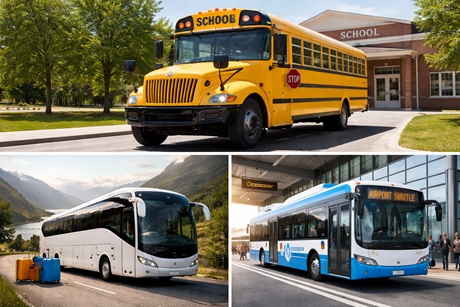
Decide your final headcount and any seating preferences before you request quotes. Toronto offers options from 12-passenger minibuses to 56-passenger motorcoaches; choose a vehicle that allows at least one spare seat per 20 guests to accommodate last-minute additions.
Match vehicle type to route and comfort needs. For short downtown transfers, shuttle vans and 24–30 seat coaches work well; for longer intercity runs consider larger coaches with restrooms and reclining seats. Ask providers about luggage capacity, Wi‑Fi availability, and accessibility features if anyone requires mobility assistance.
Confirm pickup/drop windows and curbside rules in Toronto neighborhoods. Downtown streets, the Entertainment District, and hospital zones often require specific loading permits or set times. Get these details in writing to avoid fines or delays.
Customization and Itinerary Planning
Outline must-have stops, time windows, and contingency buffers. Toronto traffic during rush hours, event days, or convention weeks can add 20–60 minutes to travel segments, so build extra time into your schedule rather than squeezing events back-to-back.
Work with an agent or planner who knows local vendor relationships. They can secure preferred restaurant blocks, museum group rates, and charter bus staging areas near major venues like Scotiabank Arena or the Toronto Congress Centre. Provide dietary needs, AV requirements, and punctuality rules up front to streamline confirmations.
Request a written day-by-day itinerary with contact names, vehicle IDs, and backup plans for cancellations or weather-related changes. That document becomes your operational guide and simplifies on-the-ground coordination.
Pricing Structures and Packages
Ask for itemized quotes that separate vehicle hire, driver hours, tolls, parking, and any admin or booking fees. Many Toronto providers add per-hour driver charges for waits and overnight lodging if routes cross provincial borders; get clarity on hourly rate thresholds and overtime rules.
Compare all-inclusive packages versus a la carte quotes. Packages can simplify budgeting by bundling transport, venue blocks, and some activities, but a la‑carte gives you control to shop better rates for specific line items. Verify deposit amounts, cancellation penalties, and the timeline for final headcount changes.
Negotiate group discounts and confirm any non-refundable minimums. For high-demand months or major conventions, lock-in deadlines and early-bird discounts often apply; ask about price protection clauses if you need flexibility.