



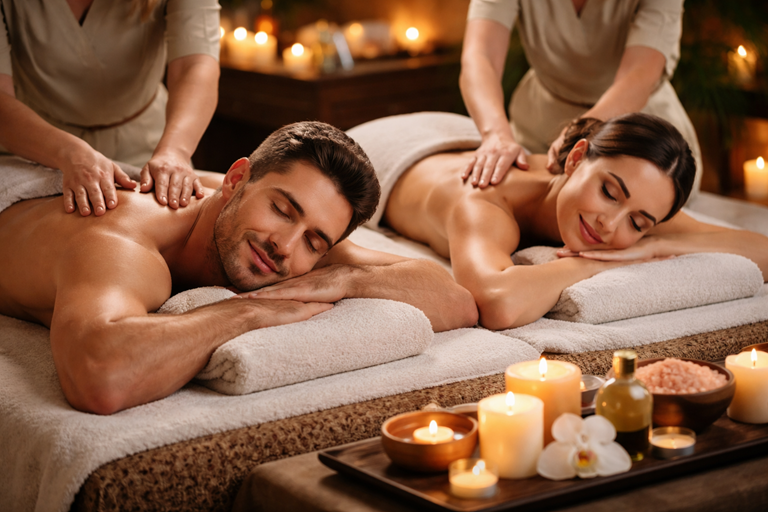
Massage Techniques for Pain Relief and Wellness Optimization
You can ease tension, reduce pain, and boost recovery with a well-chosen massage tailored to your needs. A single session can improve circulation, relax tight muscles, and leave you feeling clearer and more balanced.
This post guides you through how massage delivers those benefits and helps you decide which techniques suit your goals. Expect clear explanations of practical benefits and comparisons of common approaches so you can pick the right treatment for stress relief, pain management, or overall wellbeing.
Benefits of Massage
Massage can reduce muscle pain, improve joint mobility, lower blood pressure, ease anxiety, and help you sleep better. It also supports recovery from injuries, reduces tension headaches, and can complement medical care for chronic conditions.
Physical Health Advantages
Massage improves circulation by mechanically moving blood and lymph, which helps deliver oxygen and clear metabolic waste from tissues. You may notice reduced muscle soreness after exercise and faster recovery times when massage follows intense training.
Targeted techniques break up adhesions and improve range of motion in stiff joints and tight muscles, which can enhance posture and functional movement for daily tasks.
For chronic pain conditions—like low-back pain or fibromyalgia—regular sessions often reduce pain intensity and the need for pain medication, though results vary by individual.
Clinical modalities such as deep tissue, myofascial release, and sports massage address specific structural issues; choose the technique that matches your condition and communicate pressure levels during the session.
Mental Wellness Improvements
Massage decreases activity in the sympathetic nervous system and increases parasympathetic tone, which can lower anxiety and improve mood. You may experience immediate emotional relief, such as feeling calmer and more grounded, after a single session.
Repeated sessions help regulate stress hormones like cortisol while boosting neurotransmitters tied to well-being, including serotonin and dopamine. This biochemical shift can support longer-term mood stability for people with mild to moderate anxiety or situational stress.
Massage also promotes body awareness and a sense of physical presence, which helps if you struggle with tension linked to poor body mechanics or chronic pain. Communicate your mental health goals so your practitioner can adapt pressure and focus areas accordingly.
Stress Reduction
Massage reduces measurable stress markers—blood pressure and heart rate—during and after treatment, helping you shift out of prolonged fight-or-flight responses. Even 20–30 minutes of focused work on the neck, shoulders, and upper back can lower muscular tension that often accompanies stress.
Techniques like slow effleurage and gentle petrissage activate pressure receptors and stimulate the vagus nerve, promoting relaxation. You can use brief self-massage or targeted professional sessions during high-stress periods to interrupt the physiological cascade that leads to tension headaches and insomnia.
Set realistic expectations: massage helps manage stress but works best when combined with sleep hygiene, exercise, and cognitive strategies for sustained improvement.
Enhanced Sleep Quality
Massage encourages release of sleep-supporting hormones and reduces cortisol, creating a biochemical environment more conducive to falling and staying asleep. You may notice shorter sleep onset time and fewer nighttime awakenings after evening sessions.
Focusing on areas that hold nighttime tension—neck, shoulders, and lower back—can remove physical barriers to comfortable sleep positions. Regular massage sessions often produce cumulative benefits: improved sleep duration and deeper slow-wave sleep across weeks.
For insomnia tied to pain or anxiety, combine massage with a consistent bedtime routine and low-stimulation environment to maximize effects. If sleep problems persist despite massage, consult a healthcare provider to rule out underlying sleep disorders.
Types of Massage Techniques
You can expect techniques that focus on relaxation and circulation, others that target deep muscle layers and chronic tension, plus methods tailored to athletic recovery and sensory-enhanced sessions using essential oils. Each technique uses specific hand patterns, pressure levels, and treatment goals to match your needs.
Swedish Massage
Swedish massage uses long, gliding strokes (effleurage), kneading (petrissage), friction, tapping (tapotement), and gentle vibration. Therapists vary pressure from light to medium to increase circulation, ease muscle tightness, and promote relaxation.
You’ll usually lie on a table with draping for privacy and a lubricant like oil or lotion to reduce friction. Sessions commonly last 30–90 minutes and allow the therapist to address broad areas like the back, legs, neck, and shoulders.
Expect immediate relaxation and improved blood flow; it’s effective for general stress reduction and as an introductory massage if you’re new to bodywork. Mention any skin sensitivities, recent injuries, or blood-thinning medications before your session.
Deep Tissue Massage
Deep tissue massage concentrates on the deeper layers of muscle and fascia using slower strokes and more focused pressure. Therapists apply sustained pressure with fingers, thumbs, elbows, or forearms to break down adhesions and realign muscle fibers.
You may feel discomfort or mild soreness during and after treatment; this can indicate muscle release but should not be sharp or unbearable. Sessions often target chronic pain areas such as the lower back, neck, shoulders, and hips.
Prepare by communicating pain thresholds and problem areas so the therapist can adjust technique. Post-session recommendations often include hydration, light movement, and brief stretching to support recovery.
Sports Massage
Sports massage tailors techniques to athletic needs before, during, or after training and competition. It combines effleurage, deep work, trigger-point therapy, and stretching to optimize range of motion, reduce muscle stiffness, and speed recovery.
You can get pre-event sessions for muscle warming and increased circulation, post-event work to clear metabolic waste, or maintenance treatments to prevent injury. Therapists often focus on sport-specific muscles — for example, hamstrings and calves for runners, shoulders and rotator cuff for swimmers.
Tell your therapist about recent training load, upcoming events, and any injury history so they can plan timing, pressure, and modality (dynamic stretching, compressions, or cross-fiber friction).
Aromatherapy Massage
Aromatherapy massage blends Swedish-style techniques with plant-derived essential oils chosen for their effects, such as lavender for calming or peppermint for mild stimulation. Oils mix with carrier oils and get inhaled and absorbed through the skin to complement manual work.
You’ll typically choose from a small selection of oils based on scent preference and desired effect; therapists should ask about allergies and sensitivities first. Sessions aim to reduce stress, improve mood, and add a sensory dimension to hands-on techniques.
If you have asthma, pregnancy, or sensitive skin, disclose this before the session so the therapist can select safe oils or omit them. Expect similar physical benefits to relaxation massages, plus the potential mood or respiratory effects of the selected essential oils.
