



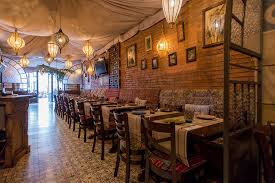
The Ultimate Guide to Finding an Authentic Arabic Restaurant in Barcelona for Traditional Flavors
Introduction: A Culinary Journey Through the Middle East in Barcelona
Barcelona is famous for Gaudí, beaches, and tapas.
But many travelers do not know that the city also offers incredible Middle Eastern flavors.
If you miss the taste of hummus, falafel, or fresh tandoori bread, you are not alone.
Finding a genuine Arabic restaurant in Barcelona can feel like searching for a hidden gem.
However, the good news is that the city now has several authentic spots that serve traditional recipes.
These restaurants bring the warmth and spice of Lebanon, Syria, Morocco, and Egypt to Spain.
In this guide, you will learn what to expect from a real Arabic eatery in Barcelona.
You will also discover how to identify quality, ambiance, and authentic dishes.
No brand names or prices will be mentioned here — only pure culinary knowledge.
Let us explore the rich world of Arabic cuisine right in the heart of Catalonia.
2. Why Barcelona Loves Arabic Cuisine
Barcelona is a multicultural city with a growing Muslim population.
This diversity has created a natural demand for halal and Middle Eastern food.
Locals and tourists alike now appreciate the healthy ingredients used in Arabic cooking.
Olive oil, chickpeas, eggplant, lamb, and fresh herbs are common staples.
Many visitors search for an Arabic restaurant in Barcelona because they want variety.
After days of paella and patatas bravas, Arabic food offers a refreshing change.
It is also perfect for vegetarians, vegans, and gluten-free eaters.
Dishes like mujaddara, fatteh, and warak enab are both nutritious and delicious.
Furthermore, Arabic restaurants often provide a cozy, family-friendly atmosphere.
This is why more Barcelona residents now choose Arabic food for lunch or dinner.
The fusion of Eastern spices with Mediterranean freshness creates magic on a plate.
3. Key Dishes to Expect at an Arabic Restaurant in Barcelona
When you visit an authentic Arabic restaurant in Barcelona, certain dishes must be on the menu.
Here is a list of traditional items that indicate real quality.
3.1 Mezze Platters
Mezze is a selection of small appetizers served before the main course.
Hummus, mutabbal (smoky eggplant dip), and labneh (yogurt cheese) are common.
You will also find muhammara, a walnut and red pepper dip from Aleppo.
Grape leaves stuffed with rice and herbs are another mezze favorite.
These small plates are perfect for sharing with friends or family.
3.2 Grilled Meats and Kebabs
Charcoal-grilled meat is central to Arabic dining.
Look for shish tawook (marinated chicken cubes) and kafta (spiced minced meat).
Lamb chops with sumac and grilled beef skewers are also popular.
A good Arabic restaurant in Barcelona will never serve frozen or pre-cooked meat.
The grilling should be done fresh, with visible smoky char marks.
3.3 Manakish and Fresh Bread
Manakish is Arabic flatbread topped with za’atar, cheese, or minced meat.
It is often eaten for breakfast or as a snack.
Freshly baked pita bread should arrive warm and puffy at your table.
Sesame bread (ka’ak) and samoon are other regional varieties.
If the bread is not fresh, you are probably not in an authentic place.
3.4 Traditional Main Courses
Mansaf (lamb cooked in fermented yogurt) is a Jordanian national dish.
Maqluba is an upside-down rice and vegetable casserole with chicken.
Kabsa, a spiced rice dish with meat, is popular in Saudi Arabia.
These dishes take time to prepare, so they are signs of a serious kitchen.
Do not expect fast food; expect home-style, slow-cooked perfection.
3.5 Sweet Endings
Desserts include baklava, knafeh, and halawet el jibn.
Knafeh is a cheese pastry soaked in sweet syrup and topped with crushed pistachios.
Turkish delight and ma’amoul (date-filled cookies) are also common.
Authentic Arabic sweets are not overly sugary; they balance rose and orange blossom water.
4. How to Identify a Genuine Arabic Restaurant in Barcelona
Not every place that serves falafel is truly authentic.
Use these criteria to find a real Arabic restaurant in Barcelona.
4.1 Check the Menu Language
Authentic restaurants often have menus in Arabic and Spanish or English.
Look for dish names like “fetteh,” “ouzi,” or “kibbeh nayeh.”
If the menu only says “chicken skewers,” it might be a generic kebab shop.
4.2 Observe the Spice Usage
Real Arabic food uses allspice, cardamom, cinnamon, and cloves.
Sumac adds lemony tang, while za’atar brings earthy herbs.
If the food tastes bland or only salty, it is not authentic.
4.3 Look for Halal Certification
Most traditional Arabic restaurants in Barcelona are halal-certified.
This means no alcohol in cooking and meat slaughtered according to Islamic law.
You may see a halal certificate displayed near the entrance or cashier.
4.4 Smell the Grill
Real charcoal grills produce a distinct aroma.
Gas grills do not create the same smoky flavor.
Walk past the restaurant — if you smell charcoal and spices, enter.
4.5 Watch the Service Style
Arabic hospitality is generous.
Waiters often offer complimentary tea or dates after the meal.
If the staff is friendly and patient, it reflects authentic culture.
5. Best Areas to Find an Arabic Restaurant in Barcelona
Barcelona has several neighborhoods known for Arabic and Middle Eastern food.
Here are the top districts to search for an Arabic restaurant in Barcelona.
5.1 El Raval
El Raval is a multicultural area near the city center.
It has many halal butchers, Middle Eastern grocery stores, and small restaurants.
You will find hidden gems on Carrer de l’Hospital and Carrer de Sant Pau.
5.2 El Born
El Born is touristy but also hosts a few quality Lebanese and Syrian spots.
These restaurants often blend modern decor with traditional recipes.
Prices may be slightly higher, but the ambiance is beautiful.
5.3 Sant Antoni
Sant Antoni has a growing number of Arabic cafes and grills.
It is less crowded than Raval but still central.
Many Moroccan and Egyptian families run eateries here.
5.4 Nou Barris and Ciutat Meridiana
These northern districts have large immigrant communities.
You will find very affordable and authentic Arabic restaurants here.
The food is often home-style and not adapted to Western tastes.
This is the best place to try dishes like kawarem (tripe stew) or pacha (lamb head soup).
6. Tips for First-Time Visitors to an Arabic Restaurant in Barcelona
If you have never eaten at an Arabic restaurant in Barcelona, follow these tips.
Start with Mezze
Order 3–4 small plates instead of one large main course.
This allows you to taste multiple flavors.
Hummus, baba ghanoush, and tabbouleh are safe choices.
Ask for Fresh Bread
Do not accept bread that feels hard or cold.
Politely ask if they bake bread on-site.
Fresh bread is the foundation of a good Arabic meal.
Share Your Dishes
Arabic meals are meant to be shared family-style.
Place everything in the center of the table.
Use pita bread as a scoop for dips and salads.
Save Room for Tea
After eating, order mint tea or Arabic coffee.
These drinks aid digestion and are a social ritual.
The tea should be sweet, fresh, and poured from a height.
Be Respectful of Prayer Times
Some small restaurants close for 20–30 minutes during prayers.
This is normal and shows the place is authentically run.
Just wait or come back later.
7. Common Mistakes to Avoid When Choosing an Arabic Restaurant
Many people end up disappointed because they choose the wrong place.
Avoid these errors when looking for an Arabic restaurant in Barcelona.
Mistake #1 – Judging by Decor Only
Beautiful lanterns and cushions do not guarantee good food.
Some tourist traps look fancy but serve frozen food.
Always read recent customer reviews on Google Maps.
Mistake #2 – Skipping the Sauce Bar
Authentic Arabic restaurants offer homemade sauces like toum (garlic sauce) and tahini.
If the sauces come from plastic bottles, leave.
Mistake #3 – Expecting Fast Service
Arabic cooking takes time, especially grilled meats and rice dishes.
Do not rush the kitchen.
Slow service often means fresh preparation.
Mistake #4 – Ignoring Daily Specials
Many Arabic restaurants have a daily “plate of the day” based on fresh ingredients.
Specials are usually more authentic than regular menu items.
Ask the waiter what the cook recommends.
8. Health Benefits of Eating Arabic Food
Arabic cuisine is not just tasty — it is also very healthy.
When you dine at an Arabic restaurant in Barcelona, you make a good choice for your body.
-
High fiber – Chickpeas, lentils, and bulgur wheat improve digestion.
-
Healthy fats – Olive oil and tahini provide good cholesterol.
-
Lean proteins – Grilled chicken, lamb, and fish are common.
-
Antioxidants – Sumac, turmeric, and parsley fight inflammation.
-
Low processed sugar – Desserts use natural honey or date syrup.
Many dishes are also dairy-free or lactose-free by default.
Vegans can enjoy ful medames, mujaddara, and fatteh without meat.
This makes Arabic restaurants a top choice for health-conscious diners in Barcelona.
9. The Future of Arabic Cuisine in Barcelona
The demand for authentic Middle Eastern food continues to grow in Barcelona.
More young chefs from Syria, Lebanon, and Palestine are opening small eateries.
They blend traditional family recipes with modern presentation.
At the same time, Spanish diners are becoming more adventurous.
Words like “za’atar” and “sumac” are no longer strange to locals.
We can expect more Arabic restaurant Barcelona concepts to appear in the next few years.
These will include fast-casual falafel bars, fine dining Arabic fusion, and bakery-cafes.
However, the core values will remain: hospitality, fresh ingredients, and bold spices.
So whether you live in Barcelona or just visit, Arabic food is here to stay.
It enriches the city’s culinary landscape without replacing local traditions.
10. Conclusion – Your Next Meal Awaits
Finding a quality Arabic restaurant in Barcelona does not have to be difficult.
Now you know which dishes to order, which neighborhoods to explore, and what to avoid.
Remember to look for fresh bread, charcoal grills, and homemade sauces.
Take your time, share your food, and end the meal with mint tea.
Whether you crave shawarma, knafeh, or a simple bowl of hummus, Barcelona has it.
Do not settle for bland imitations.
Seek out the real flavors of the Middle East right here on the Mediterranean coast.
Your taste buds will thank you.
Now go and enjoy an unforgettable Arabic feast in Barcelona.