

ACM Aluminum Composite Panel Guide: Selection, Installation, and Maintenance
You want a cladding material that looks modern, stays lightweight, and performs reliably — ACM aluminum composite panels deliver on all three. ACM panels pair two thin aluminum skins with a solid core to give you flat, durable panels that resist weather, are easy to fabricate, and suit facades, interiors, and signage.
This post ACM Aluminum Composite Panel will show what ACM is, how it behaves in real installations, and which performance and installation factors matter most so you can decide if it fits your next project. Expect clear comparisons of core types, finish options, and practical tips that help you avoid common pitfalls and get the look and longevity you want.
ACM Aluminum Composite Panel Overview
ACM panels pair thin aluminum skins with a core layer to deliver flatness, light weight, and fire-performance options suited to exterior cladding, signage, and interior accents. You’ll find choices in core type, thickness, finish, and fabrication that determine cost, weight, and compliance with local fire codes.
Core Structure and Composition
ACM panels use a sandwich construction: two aluminum face sheets bonded to a central core. The face sheets typically range from 0.2 mm to 0.5 mm thickness and are pre-painted or coated for UV and corrosion resistance.
Cores vary by application: polyethylene (PE) cores are lightweight and economical, while mineral or fire-retardant (FR) cores use non-combustible fillers to meet stricter fire ratings such as CAN/ULC or ASTM classifications.
You should check core thickness (common overall panel thicknesses: 3mm, 4mm, 6mm) because it affects rigidity and thermal behavior. Bond quality and core chemistry influence long-term delamination risk and heat resistance.
Key Properties and Benefits
ACM gives you high dimensional stability and a flat, smooth surface ideal for large façades and high-resolution digital printing. The panels are lightweight compared with solid metal cladding, reducing structural load and easing installation.
You gain weather resistance from coated aluminum skins that resist fading, chalking, and corrosion when properly specified. Thermal expansion is lower than many metal systems, but you must account for joint design to avoid buckling.
Fire performance depends on the core: select FR or mineral cores where codes require non-combustibility. Fabricators can route, bend, and form ACM for curved profiles and complex details, enabling fast, repeatable fabrication and lower labor cost.
Applications in Architectural Design
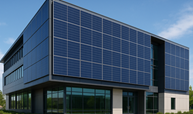
You can use ACM for curtain walls, soffits, column covers, signage, and interior feature walls because it balances aesthetics and practicality. Its smooth, uniform finish suits large-format rainscreen panels and corporate identities requiring tight color control.
Designers exploit ACM’s formability to create curved façades, reveal lines, and folded edges that read as monolithic surfaces. For high-rise exteriors or areas with strict fire codes, specify mineral or certified FR cores and follow tested anchorage and joint systems to meet local compliance.
Installation and Performance Considerations
You will focus on correct attachment, sealing, and material selection to achieve long-term weather resistance, fire performance, and ease of maintenance. Pay attention to framing details, fastener patterns, and finish care to avoid common failures.
Basic Installation Methods
You install ACM panels most commonly using either a routed-and-folded system, a riveted or screw-fixed system, or a concealed clip-and-rail (interlocking) system. Routed-and-folded panels suit curved or custom profiles; secure edges with mechanical fasteners and sealant at joints. Riveted/screw-fixed systems work for simple flat facades; follow manufacturer-specified fastener spacing, typically 300–600 mm centers, and use neoprene or EPDM washers to prevent galvanic corrosion.
Clip-and-rail systems give a flush appearance and accommodate thermal movement. Set vertical rails to true plumb, fasten rails back to structural studs or an approved sub‑frame, and allow the panel to float laterally in clips to avoid buckling. Use non-permeable gaskets and a continuous air/vapor barrier behind the panel where code or climate demands it.
Durability and Maintenance
Select panel cores and surface coatings based on exposure and building use. PVDF or polyester coatings resist UV fade and retain color; choose fire-rated core types for multi-storey applications in jurisdictions with restrictions. Inspect seals, fasteners, and restraint clips annually in the first three years, then at least every 2–3 years thereafter.
For routine cleaning, use mild detergent and low-pressure water; avoid abrasive pads or strong solvents that strip coatings. Repair dents or localized delamination by replacing the affected panel—spot repairs often fail cosmetically and structurally. Maintain drainage and flashing at transitions to prevent water trapping and corrosion at cut edges.
Environmental Impact and Sustainability
ACM panels vary widely in environmental footprint depending on core composition and coating. Aluminum faces are highly recyclable; specify panels with a high post-consumer recycled aluminum content to reduce embodied carbon. Avoid polyethylene-core panels on taller buildings where codes restrict them; consider mineral-filled or fire-retardant cores that meet local fire performance standards.
Assess life-cycle factors: choose durable coatings to extend replacement intervals, and plan for disassembly with mechanical fasteners to facilitate recycling at end of life. Track VOCs from sealants and adhesives during installation and prefer low-VOC products to reduce onsite emissions.