



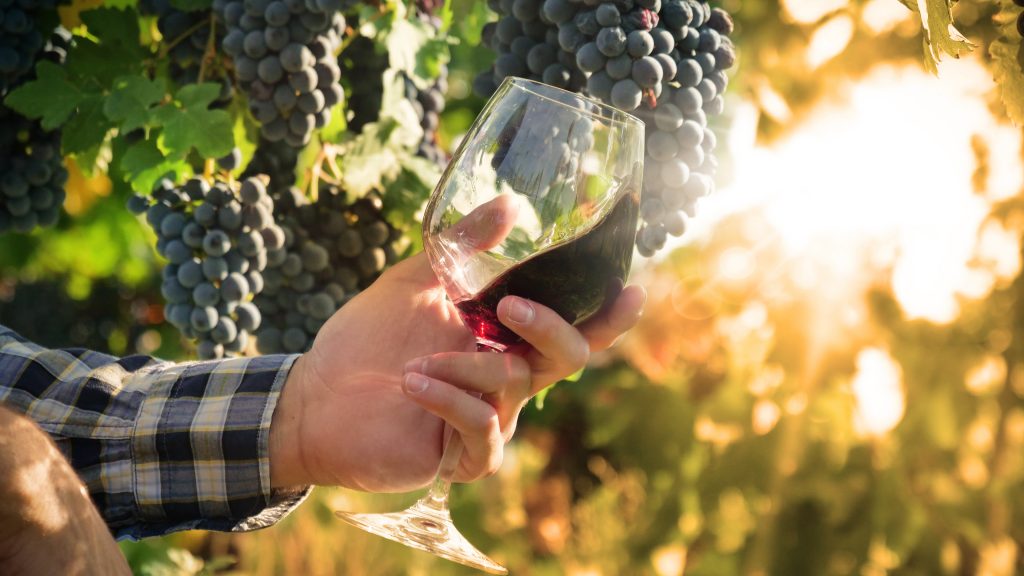
How Sustainable Winemaking Is Transforming the Wine Industry
Sustainability is no longer a niche concept in the global wine sector; it is rapidly becoming a defining force shaping how grapes are grown, wine is produced, packaged, and delivered. From reducing carbon emissions to conserving water and protecting biodiversity.
Sustainable winemaking is transforming traditional practices into more responsible and future-focused systems. As climate change intensifies and consumer awareness grows, the rise of Eco-friendly wine brands is signaling a major shift in the industry’s priorities and long-term vision.
The Rise of Sustainability in Winemaking
Over the past decade, wine producers across the world have started rethinking their environmental impact. Traditional viticulture often relied heavily on chemical pesticides, intensive irrigation, and energy-consuming production methods. Today, sustainable winemaking emphasizes balance—between nature and agriculture, production and preservation.
One of the biggest drivers of this transformation is climate change. Rising temperatures, unpredictable rainfall, and shifting growing seasons are forcing winemakers to adapt. Many vineyards are now adopting organic farming techniques, reducing synthetic inputs, and using cover crops to maintain soil health. In this evolving landscape, Eco-friendly wine brands are setting benchmarks for environmentally conscious production while maintaining high-quality standards.
Sustainability certifications and vineyard audits are also becoming more common. These frameworks encourage wineries to measure their environmental footprint and continuously improve practices. The result is a more transparent industry where accountability is increasingly valued by both producers and consumers.
Organic and Biodynamic Viticulture Practices
A major pillar of sustainable winemaking is the shift toward organic and biodynamic farming. Organic viticulture eliminates synthetic pesticides and fertilizers, relying instead on natural compost, beneficial insects, and soil regeneration techniques. Biodynamic farming goes even further, treating the vineyard as a self-sustaining ecosystem influenced by lunar cycles and natural rhythms.
These approaches not only protect the environment but also enhance grape quality. Healthier soil leads to more expressive vines, which in turn produce wines with deeper character and complexity. Many vineyards that follow these methods proudly position themselves among Eco-friendly wine brands, appealing to consumers who prioritize environmental responsibility in their purchasing decisions.
Additionally, these farming practices improve biodiversity by encouraging wildlife habitats within and around vineyards. Birds, bees, and other beneficial organisms help maintain ecological balance, reducing the need for artificial interventions. Over time, this creates a resilient agricultural system better equipped to handle environmental stress.
Innovation in Water and Energy Management
Water scarcity is a growing concern in many wine-producing regions, especially those with Mediterranean or arid climates. Sustainable wineries are responding with innovative irrigation systems that use significantly less water while maintaining vine health. Drip irrigation, soil moisture sensors, and precision agriculture technologies allow growers to deliver water only where and when it is needed.
Energy consumption is another critical area of improvement. Modern wineries are investing in solar panels, wind energy, and geothermal systems to reduce dependence on fossil fuels. Some facilities are even designed as energy-neutral or energy-positive operations, producing as much or more energy than they consume.
In this context, Eco-friendly wine brands are not just reducing harm—they are actively contributing to environmental restoration efforts. By integrating renewable energy and efficient water management systems, they are demonstrating that luxury and sustainability can coexist without compromise.
Packaging innovation is also playing a role. Lightweight glass bottles, recyclable materials, and alternative packaging like boxed wines or aluminum cans are reducing transportation emissions and waste. These changes may seem small individually, but collectively they have a significant impact on the industry’s carbon footprint.
Consumer Awareness and Market Transformation
Consumer behavior is one of the most powerful forces driving sustainability in the wine industry. Today’s wine drinkers are more informed and environmentally conscious than ever before. They are increasingly interested in how wine is produced, not just how it tastes.
As a result, demand for responsibly produced wine is growing rapidly. Retailers and distributors are expanding their selections of sustainable options, and restaurants are curating wine lists that highlight environmentally responsible producers. This shift has encouraged many wineries to adopt greener practices to remain competitive.
The visibility of Eco-friendly wine brands has increased significantly as a result. Marketing strategies now often emphasize sustainability credentials, carbon neutrality goals, and organic certifications. For many consumers, these factors are becoming just as important as flavor profiles or brand heritage.
Social media has also amplified this trend. Wine enthusiasts share recommendations, reviews, and educational content about sustainable winemaking, further spreading awareness. This digital word-of-mouth effect is helping smaller, eco-conscious producers gain recognition in a highly competitive global market.
Challenges in Sustainable Winemaking
Despite its growth, sustainable winemaking still faces several challenges. Transitioning from conventional farming to organic or biodynamic methods can be costly and time-consuming. Vineyards often require several years to fully convert, during which yields may temporarily decrease.
Climate change itself also presents ongoing risks. Extreme weather events such as heatwaves, droughts, and frosts can damage crops and disrupt production cycles. Even the most advanced sustainable practices cannot fully eliminate these vulnerabilities.
Moreover, certification processes can be complex and expensive, making it difficult for smaller producers to officially label themselves as sustainable. This creates a gap between intention and recognition, where some wineries may practice sustainability without formal acknowledgment.
Still, many producers continue to push forward, driven by long-term environmental and economic benefits. The resilience and adaptability of Eco-friendly wine brands show that sustainability is not just a trend but a necessary evolution for the industry.
The Future of Sustainable Wine Production
Looking ahead, the wine industry is expected to become even more integrated with sustainable technologies and practices. Artificial intelligence and data analytics are already being used to monitor vineyard health, predict weather patterns, and optimize harvest times. These tools help reduce waste and improve efficiency across the production chain.
Carbon-neutral and even carbon-negative wineries are likely to become more common. As governments introduce stricter environmental regulations, wineries will need to continue innovating to meet new standards. Collaboration between researchers, farmers, and winemakers will play a key role in accelerating this transition.
Ultimately, sustainability is reshaping not just how wine is made, but how it is perceived. Wine is increasingly seen as a product of its environment—one that must be protected and preserved for future generations.
Conclusion
In this evolving landscape, Eco-friendly wine brands represent the forefront of innovation, responsibility, and quality. They demonstrate that it is possible to honor tradition while embracing progress, creating wines that are not only enjoyable but also environmentally meaningful.
As the industry continues to evolve, sustainable winemaking will likely move from being a competitive advantage to an essential standard. The transformation is already well underway, and its impact will define the future of wine for decades to come.